








Elizabeth, New Jersey DWI Lawyer
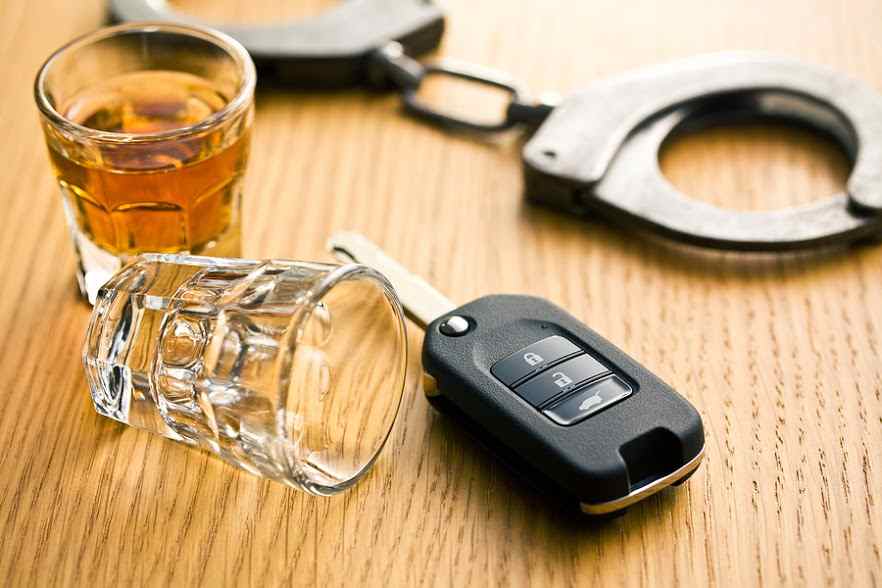
It is illegal for any person to operate their vehicle under the influence of drugs or alcohol. Despite this, arrests for DWI remain remarkably common. According to the Centers for Disease Control, “About 1 million arrests are made in the United States each year for driving under the influence of alcohol and/or drugs. However, results from national self-report surveys show that these arrests represent only a small portion of the times impaired drivers are on the road.” If you’ve been arrested for DWI in New Jersey, you are not alone.
Being arrested for DWI can have very severe consequences all across a person’s life. This can include possible license suspension and jail sentences. These charges can also cause major financial stress and may even jeopardize future work opportunities. Hiring experienced legal counsel is an essential part of navigating what can be an overwhelming situation for most people. If you’ve been charged with DWI in New Jersey, our team of experienced New Jersey DWI attorneys at Beninato & Matrafajlo in Elizabeth are here to help. We are committed to helping our clients get the very best outcome possible for their unique situation. In certain circumstances, this may include having DWI charges dropped altogether. You can contact us for a free consultation anytime at 908-355-7100.
Understanding DWI Laws in New Jersey
DWI cases in New Jersey are primarily governed by N.J.S.A. 39:4-50. According to the statute, a person commits DWI if they operate a motor vehicle while under the influence of an intoxicating liquor, narcotic, hallucinogenic, or habit-producing drug with a blood alcohol concentration (BAC) of 0.08% or higher. Commercial drivers are held to an even higher standard. They must not operate a motor vehicle with a BAC of 0.04% or higher. There are many different penalties that drivers can face if they are convicted of DWI in New Jersey.
New Jersey DWI Fines and Penalties
As a general principle, penalties and fines become more severe after each conviction. A defendant’s blood alcohol concentration at the time of their arrest is also taken into consideration.
FIRST OFFENSE: A driver may face the following penalties for their first conviction if they have a BAC greater than 0.08% but less than 0.10%.
- Fines between $250 and $400 may be imposed upon conviction.
- In rare cases, drivers may be imprisoned for up to 30 days.
- Drivers may have their licenses suspended until they install an ignition interlock system in their registered vehicle for three months.
- Drivers may be required to participate in the Intoxicated Driver Resource Center program (IDRC) for 12-48 hours.
- Drivers may face state surcharges of $1,000 every year for three years.
FIRST OFFENSE: A driver may face the following penalties for their first conviction if they have a BAC greater than 0.10% but less than 0.15%.
- Fines between $300 and $500 may be imposed upon conviction.
- In rare cases, drivers may be imprisoned for up to 30 days.
- Drivers may have their licenses suspended until they install an ignition interlock system in their registered vehicle for 7 to 12 months.
- Drivers may be required to participate in the Intoxicated Driver Resource Center program (IDRC) for 12-48 hours.
- Drivers may face state surcharges of $1,000 every year for three years.
FIRST OFFENSE: A driver may face the following penalties for their first conviction if they have a BAC greater than 0.15%.
- Fines between $300 and $500 may be imposed upon conviction.
- Drivers may be imprisoned for up to 30 days.
- Drivers may have their licenses suspended for four to six months.
- An ignition interlock device may be required for nine to fifteen months.
- Drivers may be required to spend a minimum of six hours a day for two days in the Intoxicated Driver Resource Center program (IDRC).
- Drivers may face state surcharges of $1,000 every year for three years.
SECOND OFFENSE: A driver may face the following penalties for their second conviction if they have a BAC greater than 0.08%.
- Drivers may face fines between $500 and $1,000 after pleading guilty or being convicted.
- Drivers may be imprisoned for at least 48 hours and up to 90 days.
- Drivers may have their licenses suspended for between 1 year and up to 2 years.
- Drivers may be required to perform 30 days of community service.
- Drivers will need to complete the Intoxicated Driver Resource Center program (IDRC).
- Drivers may be required to install an ignition interlock system on their vehicle for two to four years.
- Drivers will face state surcharges of $1,000 every year for three years.
THIRD AND SUBSEQUENT OFFENSES: A driver may face the following penalties for their third and subsequent conviction if they have a BAC greater than 0.08%.
- Drivers will be fined $1,000 upon conviction.
- Drivers will be imprisoned for at least 180 days. A court may credit up to 90 days if the defendant is in an inpatient rehabilitation center that the court approves.
- Drivers will have their New Jersey driver’s licenses suspended for 8 years.
- Drivers may be required to perform 30 days of community service.
- Drivers will need to complete the Intoxicated Driver Resource Center program (IDRC).
- Drivers may be required to install an ignition interlock system on their vehicle for two to four years after their driver’s license is restored.
- Drivers will face state surcharges of $1,000 every year for three years.
Given the severe consequences that can come with one or more DWI convictions, it is essential that defendants seek the guidance of an experienced New Jersey DWI attorney.
The Real-Life Impact of a New Jersey DWI Conviction
In addition to the fees and penalties imposed by a court, there are many real-life impacts that can follow a DWI conviction. What follows are just a few of the ways that a DWI conviction can substantially impair your life and restrict your freedoms.
- Loss of Driving Privileges: When a person loses their ability to drive, this can dramatically restrict their mobility and independence. It can also seriously limit when and where they are able to work. In particular, drivers may have their professional licenses revoked.
- Professional Risks: Being convicted of a DWI will appear on your criminal record. Many employers will simply not want to hire someone who has been convicted of a DWI if they see this in a background check.
- Personal Reputation: A conviction can cause serious damage to a person’s reputation within their community. There is a strong stigma associated with being convicted of a DWI.
- Higher Fees: Drivers may find that they have to pay substantially higher insurance rates if they are convicted of a DWI.
- Travel Restrictions: Certain countries may restrict entry to individuals who have a DWI on their record.
- Education: Being convicted of a DWI can also prevent a driver from being able to qualify for certain educational and scholarship opportunities.
It is very important that any person being accused of DWI consider all of their potential options. This should be done in consultation with an experienced New Jersey DWI attorney. Even if an attorney is unable to get charges dropped, they can substantially reduce the penalties that you may face as a result of the charges.
How a New Jersey DWI Attorney Can Help With Your Case
Seeking legal help is essential to achieving a positive outcome after being charged with DWI. Here are just a few ways that an attorney can help support your defense.
- Analysis: An attorney can conduct a thorough analysis of your case. They will take into consideration all of the evidence that is being used against you.
- Challenge Charges: An attorney can challenge all of the procedural errors that may have contributed to the charges you were facing. In many cases, police officers failed to follow procedures for DWI traffic stops. Breathalyzer results can be especially inaccurate at times.
- Negotiations: One of the most essential tasks that attorneys can perform following a DWI charge is negotiating with prosecutors. An attorney may be able to convince prosecutors to lower penalties or to dismiss charges altogether.
- Courtroom Representation: An attorney can advocate on your behalf in a courtroom to ensure that all of your rights are being protected.
No matter where you are in the process of being charged with a DWI, an attorney can take steps to help ensure that you are not being unfairly penalized. This is especially important when a DWI involves an accident. These accidents can leave defendants vulnerable to both criminal and civil liability.
How a DWI Can Impact Auto Insurance in New Jersey
Being convicted of a DWI charge can impact auto insurance policies in New Jersey. Among other things, insurance providers may choose to drop policyholders if they find out about their conviction. If an insurance provider does not drop a policyholder, a DWI conviction can result in substantial rate increases. It is common for policyholders to be charged double or even triple what they were paying prior to a DWI. To make matters worse, a DWI can stay on your driving record for at least 10 years within the state. This means that you may have to pay substantially higher rates for a long period of time.
Why Choose The Law Offices of Beninato & Matrafajlo?
The Law Offices of Beninato & Matrafajlo have a long track record of providing clients exceptional legal representation for criminal cases, including DWI charges. Attorney Dan Matrafajlo has been recognized as a SuperLawyers Rising Star for his skilled and methodical approach to criminal cases. Our law firm offers personalized legal solutions that put the interests of clients first.
We understand how a DWI conviction can negatively impact all aspects of your life. This is why we do everything in our power to find all of the procedural errors that police officers may have made in every case. In particular, we specialize in helping people facing additional penalties after being convicted of a DWI due to faulty Alcotest breathalyzer machines.
Getting Legal Help After a DWI Charge
By the time you are being arrested for DWI, there is nothing you can say to the arresting officer to get them to change their mind. People often make the mistake of talking or pleading after an arrest in the hopes this will help. But this is simply mistaken. If anything, your own words are likely to be used against you in a court of law. The moment you even come under suspicion of DWI, the best thing that you can do is to exercise your constitutional right to remain silent and seek the guidance of an experienced New Jersey DWI attorney.
Have you been charged with DWI in the state of New Jersey? Our team of highly experienced New Jersey DWI attorneys at Beninato & Matrafajlo can help you. We intimately understand all the laws that might apply to your particular situation. When you hire our law firm, you can rest assured we will fight hard to protect your constitutional rights at every point in the legal process. Whether you just have legal questions or are wondering how an attorney might be able to help with your particular case, we are here to serve your needs. You can contact us anytime for a risk-free consultation at 908-355-7100
Frequently Asked Questions
Yes, a DWI will show up on a background check.
A DWI conviction will remain permanently visible on your driving record. But most of the impact from a guilty plea or conviction will last 10 years.
Yes, it's possible that a DWI charge can be dismissed in New Jersey. An attorney can check for procedural errors that may allow your case to be dismissed.
It is always a good idea to retain an experienced attorney if you are being charged with DWI. An Elizabeth DUI attorney can use their knowledge of the law and the science behind blood testing, breathalyzer tests, and DWI cases to help mount the best defense possible on your behalf.
Drivers will lose their license for mandatory periods of time after being convicted of DWI. License suspensions grow longer for second and third convictions.
New Jersey considers DWI cases traffic offenses. These will appear on your driving record. A DWI is not an indictable misdemeanor or felony crime.
In order to get your license back after a DWI conviction, you will need to take several steps. You must submit proof that all fines and tickets related to the incident are paid. You will also need to satisfy all of the reasons for the suspension and complete the entire suspension.
Related Articles
- Understanding DWI Charges in New Jersey: A Guide from Your Trusted DWI Attorney
- Impact of an Out of State DWI in New Jersey
- Common Misunderstandings About DWI Laws in New Jersey
- Can a DWI Be Dismissed in New Jersey?
- Elements of a New Jersey DWI Charge
- Important Steps to Take After a New Jersey Drunk Driving Arrest
- New Jersey DWI: Frequently Asked Questions
sidebar-form
Miranda is outstanding. Extremely professional, organized and helpful!
Miranda Arruda is a phenomenal asset to the team! She demonstrates outstanding paralegal service through her responsiveness and organization.
Miranda Arruda is an outstanding paralegal. She is professional, responsive, and incredibly organized. 10/10 for sure!
They were great! Very communicative, fast, and got great results. Huge thank you to Alyssa - 5 star service!
Alyssa is such a light, she is caring, attentive & efficient! Cannot thank her enough! If you are seeking help look no further!
I can’t say enough good things about this firm. They helped me with my case and did a great job. I am satisfied with the outcome. Thank you!
Danny Matrafajilo is a great attorney. He was incredibly knowledgeable and professional. He took the time to explain the law to me in plain English. What also impressed me was his responsiveness, attention to detail and his compassion. I highly recommend him.
I had an excellent experience working with Alyssa from Beninato & Matrafajlo Law. From the very beginning, she was incredibly helpful, informative, and professional. She took the time to explain every step of the process in a way that was easy to understand, making me feel confident and well prepare
They are are here to win!! Excellent communication, helps you understand the complete process. Takes the personal time to talk and calls regularly regarding the matter at hand. Most importantly you will feel comfortable knowing that a confident, compassionate law firm is by your side. Very, very hig
Such an amazing law firm, and so knowledgeable. Dan and his team really go above and beyond for their clients. This group genuinely cares about the people they represent and are honest with you from the beginning. I highly recommend them for any legal matters.
Great law firm. They helped me twice with my settlement after being in a car accident and again after suffering a personal injury after a slip and fall. I was very pleased from the beginning to the end of my case. The team is great, everyone is professional and attentive to your needs but an absolut
I had the pleasure of having Mr. Anthony Conte assigned to my case. He displayed professionalism from our initial conversation. Mr. Conte explained in detail all that the firm was able to do and what steps I would face during this process. In closing I was very satisfied with my outcome.
I have used this firm at least twice maybe even 3 times. They never cease to amaze me. I have been working closely with Miranda and never a time where she sounds frustrated and/or overwhelmed. If ever needed, they will be my go to. Thank you for everything.
Alyssa, Dan and Anthony are the best lawyers!!! I recommend them to all my family and friends
Thank you Alyssa & team for such fast results! Super pleased with my experience. Great communication and time response it was overall quick, easy, & painless. :)
I’m extremely grateful to The Beninato & Matrafajlo Attorneys at Law, and especially to Alyssa Inghilleri, Esq., for their outstanding legal support. Alyssa handled my case with precision, professionalism, and genuine care. Although it was a personal matter, her ability to understand and incorpora
I've used services from this office several different times over the last 20 years. They have always gone above and beyond to meet, and exceed my expectations. I would highly recommend them for all of your needs.
After my car accident, the team at Beninato and Matrafajlo really helped me! They guided me through the whole process and always listened to my concerns. They made sure I understood what was happening and worked hard to get me a good settlement. I’m very thankful for their help and would definite
I can't say enough great things about Beninato & Matrafajlo, Attorneys at Law. From start to finish, the team was professional, knowledgeable, and genuinely invested in my case. They took the time to explain every step of the process, answered all my questions promptly, and made sure I felt informed
I am very pleased with all personnel and how professional everyone performs as well as how I was treated.
I had a great experience working them. I was facing a careless driving ticket that could’ve really impacted my record, but the team handled everything with professionalism and expertise. They were clear, responsive, and took the time to walk me through every step of the process. Not only were they
Extremely helpful every step of the way and put me at ease
I was very satisfied with the service of Anthony Conti Esq. , it was as I expected , I’ll recommend him to others. Thank you so much.
Dan and his whole legal team are great! He makes it very easy to maintain communication with him and all of his staff. He always makes time to hear you out and takes care of all of your concerns. At the end of the day one way or another everybody realizes time is our most precious asset and he surel
excellent service
Alyssa is one of their best attorneys they have . She is very reliable and very educated . Very good experience great firm
I could not have imagined that my experience with this office would have been so amazing. Miss Helena, Dan and the rest of the staff were just incredible. I always felt comfortable asking questions and they were always on top of EVERYTHING. Dan always worked with my best interest in mind and always
Alyssa Inghilleri and all of the staff from Beninato & Matrafajlo law were amazing. Alyssa answered all my 1000 questions and if i was unsure about something she made sure she found a way for me to understand. I hope to never encounter with another traffic ticket but if i did, the great people from
Thank you Law office of beninato and matrafajlo for handling my traffic ticket. they got the points dismissed. The team was professional and really took the time to explain everything to me. Definitely recommending to friends and family
(Translated by Google) They are excellent lawyers, people dedicated to helping you and providing support with all their knowledge and work, thank God, and they helped me get out of my problem and everything turned out very well. I highly recommend them from the bottom of my heart . I am very gratefu
Having worked with Dan and his team, I would describe them as honest, credible, and convincing. They operate with high integrity.
Excellent lawyer.. He did fantastic job.. thank you Mr. Matrafajlo
These guys are great. Helped me get out of a solid speeding ticket! 11/10 will recommend
Anthony and the firm have been great and thorough. Anthony was professional, reliable, and genuinely cared about my case. He made everything easy to understand and handled everything with confidence. I’m very grateful for his help and highly recommend him to anyone needing legal support. Well dese
From the moment I contacted Beninato and Matrifalo, I knew I was in capable hands. I was facing an incredibly stressful situation: selling my mother's house to fund her urgently needed long-term care. The process was being held up by a squatter, and the clock was ticking. Every day of delay had a si
Good ecelent that’s
I must say the experience was Exceptional . At first, there was a little bit of miscommunication, but that was quickly fixed And addressed very quickly by Dan who I first spoke with at the Beginning of the case. He broke down the entire process and how It works in just a few minutes. Everything he
Danny is a great attorney. He has the knowledge of the law and care for his clients. Highly recommend.
Very professional staff treated me with the most respect I’m very grateful I chose this firm
I had the pleasure of working with Miranda, and the legal team at Beninato & Matrafajlo. The one thing I really appreciated was the fact that they communicated with me throughout the entire process. If you want an attorney and legal team who care about your case, this is the law firm to contact. I h
Dan worked very hard to represent me and did an amazing job! I am truly pleased with the outcome and recommend him to anyone!
I had a great phone call with Miranda. I called this law firm to see if I was even interested to be represented and she totally convinced me that an attorney was the right option. I ended up talking to Anthony and he explained everything to me and i knew instantly they were the right choice.
I called a few offices before and I never had a good experience with the people who answer the phone. I spoke to Miranda and she was very helpful and wasn’t bothered at all by my questions. Highly recommend this firm!
I reached out to Dan’s office over concerns about a traffic ticket. Him and his staff really proved to be very helpful and patient as they took the time to go over my questions and worries. Joselyn especially really proved to be extremely kind and supportive. Thank you for the work that you do!
I called the office last week, I spoke with Miranda and she was able to help me with my ticket. She was super helpful and made my problem seem less stressful. Definitely calling this office again the next time I receive a ticket or have any additional problems.
Had a lovely experience speaking on the phone with Miranda Arruda. She was very helpful and answered all of my questions. Will be requesting to speak with her in the future.
Very appreciative on the results. I highly recommend this firm. Communication was great and they made the process very smooth with no issues. Anthony Conte is top notch representation.
I couldn’t be any happier with my experience with attorney Alyssa Inghilleri. She is undoubtedly the most professional attorney that I’ve had the pleasure of work with. She’s driven, she’s fierce and most importantly, caring in her line of work and I would pick her on my team hundred times o
Dan has been my go-to lawyer for multiple cases, and he has consistently delivered excellent results. From preventing points on my record in an accident where I was at fault to winning a settlement against a negligent landlord, Dan has always been professional, reliable, and effective. I highly reco
I can't say enough good things about Dan and his team!! I got into a car wreck and had no idea how to go about my pain and legal situation. Danny was professional and knowledgeable - he went through all my options. They handled everything—from dealing with insurance companies to making sure I rece
What can I say GENIUS Thank you Dan
Thank you DAN and staff! I am extremely grateful to have found this Attorney. I would give him a thousand stars if I could, and I highly recommend his services. Very professional him and his...
I cannot recommend Beninato & Matrafajlo Law highly enough! From our very first meeting, they took the time to thoroughly understand my case and provided clear, expert guidance every step of the way. Their professionalism, attention to detail, and deep knowledge of the law put me at ease during a ve
This review is coming from the standpoint of an attorney who handles catastrophic and wrongful death matters in Philadelphia. I knew Dan was good and so I decided to team up with him on a matter I had in NJ where he is nothing short of an expert on Personal Injury matters involving seriously injured
I have known Dan over decade. He always exceeded my expectations. He has been a blessing to me & my family. Number one attorney in the State highly recommend. We appreciate you Dan. Thank you for all you and your team❤️!!
Mr. Matrafajlo was very patient with the numerous questions I had; professional and reassuring; he delivered exactly what he said he would do and more. Would highly recommend him.
Dan Matrafajlo and his attorneys are wonderful! They went out of their way and helped me with every step of my legal matter. Could not have asked for a better team!
Amazing attorney. If you want someone to help you and represent you in a no fault or workers comp case Dan Matrafajlo is definitely the attorney to call. Thank you Dan
Dan is the man is an understatement. I was charged with reckless driving , delaying traffic , and unsafe lane change due to a driving altercation that had occurred. They wanted to give me 9 points...
Al Cernadas did a great job for me I give him a five star review Thanks for everything Al
I highly recommend Dan and his entire team. They were responsive and professional through out the entire process. Thank you for your help I will recommend you to everyone I know!
Dan Matrafajlo Dan is the best attorney I ever had he represent me and my family and I talked to other people about him because he's the greatest Lawyer.He's there for you. He give good advice. If anyone out there need help or good advice call him look it up call him great man.
I was given Al Cernadas’ name through a family member. I can't thank him enough for helping me when I needed a lawyer. He kept me calm and informed me throughout the whole process. Mr. Cernadas took the time to make sure I understood everything, all my questions were answered, made sure I was prep
I was given Al Cernadas' name through a family member. I can't thank him enough for helping me when I needed a lawyer. He kept me calm and informed me throughout the whole process. Mr. Cernadas...
Professional law firm who kept me informed on the defense they would be representing me in all and every issue highly recommend Beninato& Matrafajlo with their professional staff
Danny is very good at what he does. I’m happy that he was the one who defended me.
Dan Matrafajlo is an excellent attorney! He really takes the time to prepare & explain every step of the process. I am grateful & content knowing that Dan is representing me. Beninato & Matrafajlo Attorneys at Law, LLC is a great firm. Highly, highly recommend this firm. Highly recommend
Mr. Dan was an excellent lawyer for my case. He not only got 100 percent of my charges dropped, he saved my license being suspended for two years. I highly recommend using Mr. Matrafajlo Attorneys at Law, LLC for CDS and DUI cases. He will go above and beyond to get you the best possible outcome. I'
Dan worked hard for me when my insurance company was trying to minimize my claim of damages. I fought with them for months getting nowhere before hiring Dan to represent me. He was able to get me significantly more than what they were willing to pay and he got the results I needed fast. I will def
I retained Dan Matrafajlo of Beninato & Matrafajlo law firm, and I must say that my experience was exceptional. The likelihood of a satisfactory resolution seemed impossible before contacting Dan. Not only was he able to defend me from an unjust decision, but he also takes a pragmatic approach t
Very appreciative for all the hard work Dan and his team did to help me. Highly recommend working with Beniinato & Matrafajio for trustworthy and sincere services!
Excellent experience. I received more on my settlement than expected. Thank you Dan!
He's the great lawyer and great experience. We accomplished what we needed and definitely recommended!
Thank you Danny for all your help with out Danny I would of not got the results I got thanks again
Thank you Dan and his amazing team for all your help! Dan and his team walked me through every step and made sure I understood everything and was ready for what was to come. I am happy with the outcome and definitely recommend Dan and his team!
Called after hours and was surprised on how quick they reached back out the next day! Carried on through court and was incredibly helpful!
If there was more than 5 star that what i would give Mr. dan and his team. Mr. dan is the best best lawyer in new jersey. Mr. Dan really fight for you.. and his staff are awesome very friendly and professional my case was slip and fall feb 4,2021 in front of my building the same day i contacted mr
Phenomenal lawyer!!! Explains everything & really has your back! Highly recommend
Dan Matrafajlo superseded my expectations and is the best lawyer hands down. His knowledge and ambition to make sure I got what I deserved was top notch service.
The team of Beninato and Matrafaljo Law took such great care of handling my case. They were always professional and they always kept me in the loop of things that were happening with my case. I am very grateful that I had such a team like this one to help me settle my case. This office exceeded all
I loved working with Danny and his staff. Being from another state, I was really concerned that he wouldn't treat my case with the attention that it needed. Boy was I wrong!! He really pulled through for me. Thank you Danny for all your hard work!!!! The Flooring Guy
Mr. Matrafajlo and his team did an amazing job with my husband’s case. They handled the whole process professionally, adequately and went beyond expectation which resulted in an awesome outcome. We are truly happy and highly recommend Mr. Matrafajlo and his worthy team! Thank you again!
Got me the best deal ever thank you Dan I appreciate your hard work
I hired Dan to help my son with a ticket he received in Hannover. We had to go to trial and the result was awesome. He was professional and thorough. I would highly recommend him to my friends and family in a time of need. Thanks Dan!!!
*** ********** is a phenomenal attorney. He came highly recommended to me for a *** and was more than everything he was already made out to be. He is very reasonably priced for his time, very professional and knowledgeable, and will do everything in his power to win your case. In fact, he was actual
*** ********** is a phenomenal attorney. He came highly recommended to me for a *** and was more than everything he was already made out to be. He is very reasonably priced for his time, very professional and knowledgeable, and will do everything in his power to win your case. In fact, he was actual
I give *** an A+ rating. I've known *** personally and professionally for over 15 years. He is one of the most sincere, honest and intelligent people I've ever met. I've used *** for several matters over the years and he has FAR surpassed my expectations on each and every matter without fail. M
Good local law firm.
Dan and his team are beyond amazing !! Everything that I needed & requested was completely taken care of. My main tickets and charges were dismissed & dropped in a timely and just manner. I...
Andrew clark is a great Lawyer!!!My husband Had an accident on his job and he walk him Through everything and took care of all his needs.he is very kind and professional My husband was very happy with the settlement he got on his workman comp case We will forever be grateful to Andrew and will Highl
Got me Down From 100+ MPH ticket to nothing. Highly recommend, well connected, and very professional.
Dan is a fantastic lawyer! He is very patient, thorough and successful. I Highly recommend him.
Was going through a legal situation and didn’t know where to turn too asked around and they said to hire Dan once hired he went all out to make sure I was comfortable with him and was diligent in proving my innocence needless to say all charges were dismissed if you want a lawyer that is loyal and
Attorney Dan Matrafajlo and his staff are the best. They did an amazing job facilitating the closing of my property. They provide you with the confidence and peace of mind everything will get done right. I would without a doubt recommend them for any legal matters you may have.
Thanks for everything.
This is really good law firm. The attorney did fantastic job for me.
Great lawyers. Highly recommend
(Translated by Google) Good customer service (Original) Buen trato a los clientes
The experience with the office was great, I was explained everything, the pros , the cons, they never kept back what can happen. They were very professional, caring and helpful, needless to say they helped me with my case and helped me with receiving what I deserved. Definitely recommend them to an
Dan is not like most attorneys. He is ethical and actually cares about you as a person as well as you as a client. He is EXTREMELY knowledgeable and he has won 100% of the cases hes handled for me and my family!!! (The amounts won were MUCH higher than expected) I dont normally recommend people but
Related Practice Areas
-
 New Jersey Auto Accident Lawyer
 - Back Injuries Attorney
- Catastrophic Injuries
- Car Accident Attorney New Jersey
- New Jersey Bus Accident Attorney
- New Jersey Brain Injury Attorney
- Motorcycle Accident Attorney New Jersey
- Neck Injuries
- New Jersey Premises Liability Lawyer
- New Jersey Slip and Fall Accident Lawyer
- Spine Injuries
- New Jersey Train Accident Attorney